
Understanding Year-End Tax Planning for Businesses
December 1, 2025
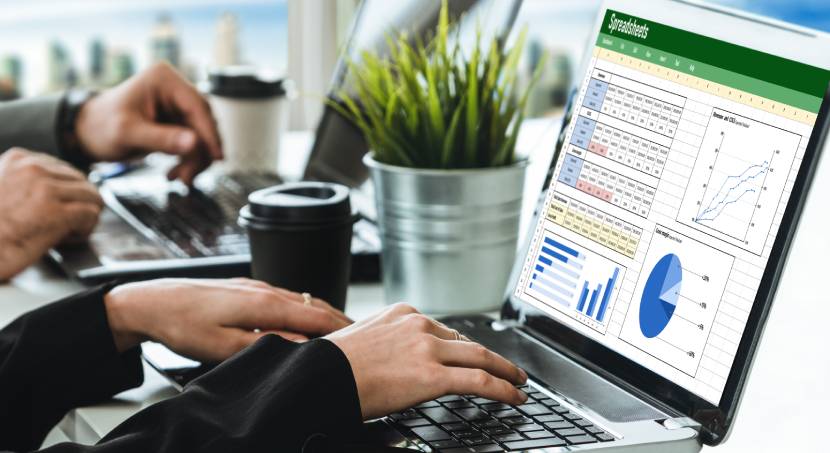
As we approach 2026, accounting technology continues to evolve at a rapid pace. Cloud-based platforms, automation, artificial intelligence (AI), and advanced analytics are redefining how businesses handle financial data and streamline workflows. For accountants, business owners, and finance professionals, staying updated with these trends isn’t just helpful it’s essential for improving efficiency, enhancing accuracy, and making more informed decisions.
In this article, we highlight the top accounting software trends for 2026 that are shaping the future of accounting and bookkeeping.
AI and machine learning are increasingly integrated into accounting software to automate repetitive tasks such as:
These intelligent features reduce manual effort, minimize errors, and free up time for strategic work like financial analysis and advisory.
Automation has moved beyond simple rule-based processing. In 2026, accounting platforms will offer more advanced:
These tools improve operational efficiency and reduce the burden of routine accounting work.
Cloud-based accounting systems have become the standard for businesses of all sizes. In 2026, cloud platforms will emphasize:
Cloud accounting enables secure access to data 24/7 ideal for remote teams and modern workflows.
As financial data moves online, data protection is a top priority. Accounting software trends for 2026 include improved security safeguards, such as:
These features help protect sensitive financial information and maintain compliance with privacy standards.
Modern accounting solutions will increasingly include built-in analytics that help businesses forecast cash flow, sales trends, and profitability. These insights support decision-making by providing:
By leveraging data insights, companies can make informed financial and operational decisions.
Accounting software is becoming more connected. Expect tighter integration with:
This ecosystem approach eliminates manual data transfers and ensures consistency across business functions.
Accounting software in 2026 will empower businesses to operate smarter, faster, and more securely. From AI automation and cloud innovations to advanced analytics and mobile capabilities, these trends are transforming how financial data is managed.
Staying ahead of these trends can help your business improve accuracy, optimize workflows, and gain strategic insights ultimately contributing to growth and financial success.